

What Government Grants Are Available for Small Businesses?

Government grants can provide valuable financial support to small businesses looking to start, grow, purchase equipment, hire employees, develop new products, or enter new markets. These grants are often designed to encourage entrepreneurship, create employment opportunities, support innovation, and strengthen local economies.
For small-business owners, finding the right funding programme can make a significant difference. However, not every government grant is available to every business. Some programmes target women entrepreneurs, young business owners, farmers, technology companies, manufacturers, or businesses operating in economically disadvantaged communities.
Understanding the different types of government grants available can help entrepreneurs identify suitable opportunities and prepare stronger applications.
1. Small Business Startup Grants
Startup grants provide financial support to eligible entrepreneurs who are establishing new businesses. Depending on the programme, the funding may help cover approved startup expenses, purchase essential equipment, develop products, or establish business operations.
These grants can be particularly attractive to entrepreneurs who want to avoid taking on additional debt.
However, startup grants are not available everywhere, and some governments do not offer grants for ordinary business startup costs. In other cases, funding may be available only through regional development agencies, local authorities, specialised entrepreneurship programmes, or private organisations working with government partners.
Before applying, determine whether the grant supports newly established businesses or requires applicants to demonstrate an existing trading history.
You should also check whether the funding can be used for inventory, rent, equipment, marketing, or other business expenses. Each programme may have different restrictions.
2. Government Grants for Women-Owned Businesses
Many governments support women entrepreneurs through programmes intended to improve access to business funding, training, mentorship, and professional networks.
These initiatives may target women starting businesses or those who already operate small and medium-sized enterprises.
Depending on the programme, assistance may support activities such as purchasing equipment, expanding production, improving digital operations, or developing new products.
Some programmes offer direct grants, while others provide loans, business advice, training, or a combination of services.
Women entrepreneurs should check the ownership requirements carefully. A programme may require a business to be majority-owned or controlled by women, rather than simply having women among its employees.
Applicants should also review the eligible industries, registration requirements, application deadlines, and reporting obligations before applying.
3. Grants for Young Entrepreneurs
Young entrepreneurs may qualify for government-supported initiatives designed to encourage self-employment, innovation, and job creation.
These programmes can help young people develop business ideas, acquire practical skills, and establish sustainable enterprises.
Support may include startup grants, business competitions, entrepreneurship training, mentorship, or financial assistance for eligible projects.
Some programmes focus on technology, agriculture, manufacturing, creative industries, or other sectors that offer opportunities for economic growth.
However, age requirements differ. Some programmes serve people entering the workforce, while others support young business owners who already operate established businesses.
Entrepreneurs should also distinguish between grants and youth business loans. A loan may provide useful financing, but it generally must be repaid under the agreed terms.
4. Grants for Technology and Innovative Businesses
Technology businesses can sometimes access specialised government grants designed to encourage research, development, and innovation.
These programmes may support companies developing software, medical technologies, agricultural innovations, clean-energy solutions, advanced manufacturing systems, or other new products.
In the United States, the Small Business Innovation Research and Small Business Technology Transfer programmes provide funding opportunities for eligible small businesses undertaking research and development connected to federal research priorities.
These programmes are not general-purpose grants for every small business. Applicants typically need a qualifying research project that meets the relevant agency’s requirements.
Technology entrepreneurs should prepare a clear explanation of the problem their product addresses, the proposed innovation, the research plan, and the potential commercial or public benefits.
A realistic budget and evidence that the business can complete the project may also strengthen an application.
5. Government Grants for Agriculture and Farming Businesses
Agriculture is another sector in which government funding may be available.
Depending on the country, programmes may support farmers, agricultural processors, food producers, cooperatives, and businesses developing new farming technologies.
Eligible activities might include improving production methods, purchasing approved equipment, strengthening food processing, adopting sustainable practices, or improving access to markets.
Some programmes also provide assistance to rural entrepreneurs who want to establish agricultural enterprises or expand existing operations.
However, agricultural funding often comes with specific conditions. Applicants may need to own or operate an eligible agricultural business, demonstrate how the project will improve production, or meet environmental and reporting requirements.
Farmers should check their national agriculture ministry, agricultural development agencies, and regional funding organisations for relevant opportunities.
6. Grants for Small Manufacturers
Manufacturing businesses may qualify for grants or government-supported programmes intended to improve productivity, workforce skills, and industrial development.
Funding opportunities may support activities such as employee training, technology adoption, product development, quality improvement, and specialised equipment.
Some programmes focus on manufacturers operating in particular regions or industries. Others provide funding to organisations that deliver training and technical assistance to small manufacturing companies.
For example, the U.S. Small Business Administration lists specialised manufacturing grant opportunities. However, not all of these grants are direct payments to individual businesses; some support organisations that provide training or other services.
Small manufacturers should read each funding announcement carefully to determine who is eligible to apply and which expenses are covered.
7. Government Grants for Exporting Businesses
Businesses that want to sell products or services internationally may be eligible for government assistance designed to encourage exports.
Export-support programmes can help qualifying companies explore foreign markets, participate in trade events, improve export readiness, or promote their products internationally.
Some programmes offer grants for approved export-development expenses, while others provide advisory services, training, or financial assistance through loans.
Eligibility may depend on the company’s location, size, industry, export plans, and readiness to enter international markets.
Before applying, prepare a clear export plan identifying the target countries, potential customers, expected costs, and anticipated business benefits.
Keep in mind that export assistance does not always take the form of a grant. Some programmes offer advice or financing instead of non-repayable funding.
8. Government Assistance for Micro and Small Businesses in Nigeria
In Nigeria, small-business owners can explore government-supported programmes offered through organisations responsible for enterprise development and industrial financing.
The Small and Medium Enterprises Development Agency of Nigeria, commonly known as SMEDAN, lists initiatives covering micro-enterprise support, business development, entrepreneurship training, and other forms of assistance.
One example is the Conditional Grant Scheme for Micro Enterprises. SMEDAN describes this initiative as a programme designed to support eligible nano businesses, including assistance linked to employment creation and equipment needs.
The programme information lists a grant amount of ₦50,000, subject to its conditions. Applicants should verify the current availability, application procedure, and eligibility requirements directly with SMEDAN before relying on the information.
The Bank of Industry also provides financing programmes for Nigerian businesses. However, some of these opportunities are loans rather than grants, so entrepreneurs should carefully review the funding terms before applying.
Useful official resources include the SMEDAN website and the Bank of Industry intervention programmes portal.
9. Government Grants and Funding Opportunities in the United States
In the United States, entrepreneurs can explore specialised grants through federal agencies, state governments, local authorities, and research-focused funding programmes.
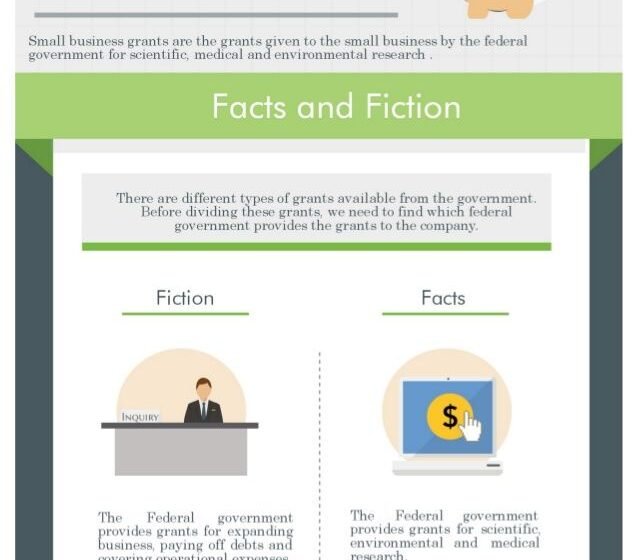
The Small Business Administration explains that the federal government generally does not provide grants simply to start or expand an ordinary small business.
Instead, federal grant opportunities may support specific activities such as scientific research, technology development, exporting, manufacturing initiatives, and entrepreneurship support delivered through eligible organisations.
The Small Business Innovation Research and Small Business Technology Transfer programmes are examples for qualifying research-based businesses.
Entrepreneurs can also investigate state and local programmes, which may offer assistance for business development, job creation, energy efficiency, or economic revitalisation.
The best starting points are the official Small Business Administration grants information page and Grants.gov.
10. Government Grants and Business Support in Canada
Canadian entrepreneurs can search for funding opportunities through federal, provincial, and territorial government programmes.
Depending on the business and project, support may be available for innovation, agriculture, hiring, training, regional economic development, or expansion into new markets.
Some programmes provide non-repayable contributions, while others offer loans, loan guarantees, advisory services, or tax incentives.
Eligibility can depend on the province or territory where the business operates, the industry, company size, project costs, and the expected economic benefits.
Business owners can use the Canadian government’s funding resources to identify programmes that match their circumstances.
Visit the official Government of Canada business support and financing page to explore available resources.
11. How Can You Apply for Government Small Business Grants?
Although application procedures vary, the following steps can help you prepare.
Step 1: Identify a suitable grant. Look for programmes that support your business sector, location, ownership category, or planned project.
Step 2: Check eligibility. Read the requirements carefully. Some grants require formal business registration, minimum operating periods, matching funds, or evidence of financial need.
Step 3: Prepare a business plan. Explain what your business does, who your customers are, how it earns revenue, and how the funding will support your goals.
Step 4: Prepare a realistic budget. Identify the expenses the grant would cover and ensure that they meet the programme’s rules.
Step 5: Gather supporting documents. Depending on the programme, you may need registration documents, financial statements, tax records, identification, business plans, quotations, or project proposals.
Step 6: Submit the application. Follow the official instructions and meet the deadline. Answer all questions accurately and retain your submission confirmation.
Step 7: Follow up appropriately. Monitor the official application portal and respond to legitimate requests for additional information.
Remember that submitting an application does not guarantee funding. Grant providers may assess applications competitively and approve only projects that meet their priorities.
12. How Can You Avoid Grant Scams?
Small-business owners should be cautious of anyone promising guaranteed government funding in exchange for an unofficial payment.
Fraudulent websites and social media accounts sometimes imitate government agencies or advertise grants that do not exist.
Always confirm that an opportunity appears on an official government website or through an authorised programme administrator.
Be careful with requests for passwords, banking PINs, verification codes, or unnecessary personal information. Verify any application fee independently before paying it.
You should also distinguish between a genuine grant and a loan advertised as government assistance. Read the terms carefully so you understand whether the money must be repaid and what obligations come with accepting it.
Conclusion
Government grants can help eligible small businesses finance innovation, improve productivity, create jobs, enter new markets, and develop sustainable operations.
However, available opportunities differ significantly between countries and industries. Some programmes support startups, women entrepreneurs, young business owners, farmers, manufacturers, and technology companies, while others focus on specific research or economic-development projects.
To find the right opportunity, research official funding websites, check eligibility requirements, prepare a strong business plan, and submit a complete application before the deadline.
Most importantly, verify the programme’s current status and understand its conditions before making business decisions based on expected funding.




Leave a Reply