

What Government Assistance Programs Are Available for Citizens?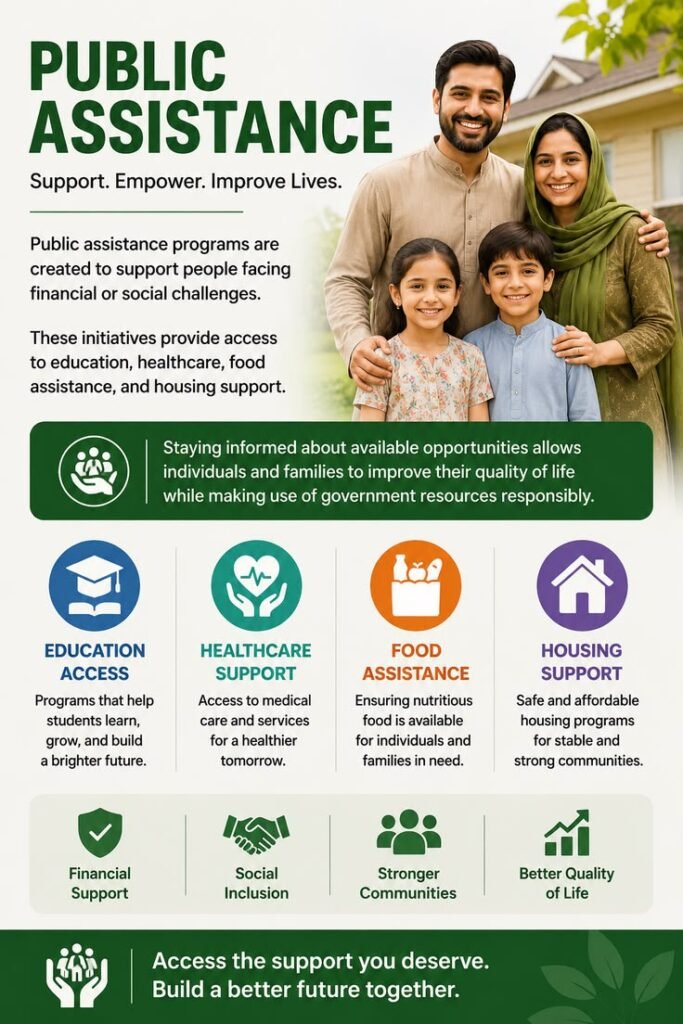
Government assistance programs are designed to support people who need help meeting essential needs or improving their financial and social circumstances. These programs can benefit low-income families, unemployed workers, older adults, people with disabilities, students, parents, and individuals experiencing unexpected financial hardship.
Although the types of assistance available vary from one country to another, many governments provide support through public agencies, social welfare departments, healthcare systems, and education programmes.
Understanding the different types of government assistance can help citizens identify the resources that may be available to them. It can also make it easier to understand eligibility requirements, prepare applications, and avoid fraudulent offers.
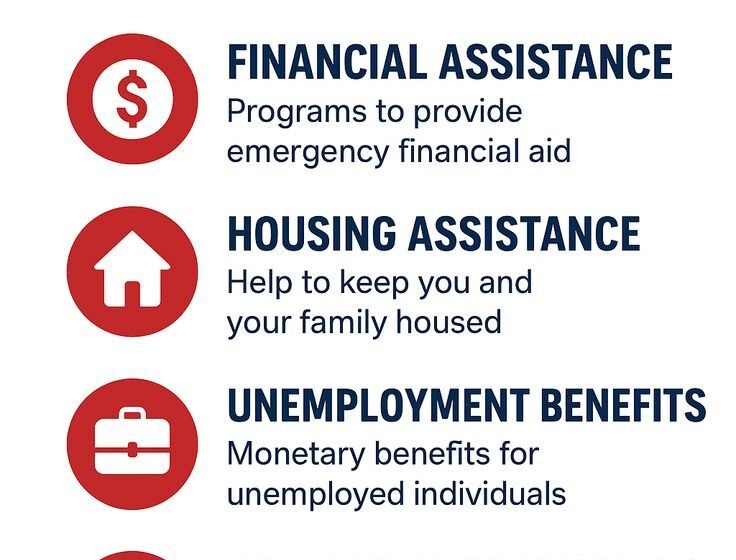
1. Financial Assistance Programs
Financial assistance programs provide eligible individuals or households with money to help cover essential living expenses. Depending on the country and programme, support may come as a one-time payment, regular cash assistance, a tax credit, or another form of financial relief.
These programmes often target people experiencing poverty, unemployment, disability, or other financial difficulties.
For example, a government may provide temporary financial support to a family struggling to pay for basic necessities. Another programme might assist older adults who have limited income or people affected by a natural disaster.
However, financial assistance is not automatically available to every citizen. Applicants may need to demonstrate financial need, meet residency requirements, provide identification, or satisfy other eligibility conditions.
Citizens should check their government’s official social welfare website to find out which programmes exist and whether applications are currently being accepted.
2. Food Assistance Programs
Food assistance programs help eligible individuals and families obtain nutritious food when their income is insufficient to cover household needs.
Depending on the country, this support may include food vouchers, subsidised groceries, school meals, emergency food supplies, or financial benefits that can be used to purchase approved food items.
Families with children, pregnant women, older adults, and people experiencing financial hardship may qualify for certain programmes.
School meal initiatives are another important form of food assistance. They can help children receive nutritious meals during the school day while reducing some of the financial pressure on their families.
Some governments also work with community organisations and food distribution centres to provide emergency assistance during periods of hardship.
To find relevant programmes, citizens can contact local social services, community welfare offices, or official government departments responsible for food security and family support.
3. Housing and Rental Assistance
Housing assistance programs help eligible citizens find or maintain safe and affordable accommodation.
Housing costs can consume a significant portion of household income, particularly for low-income families, people who have lost their jobs, and individuals living in areas with high rental prices.
Government housing support may include rental assistance, subsidised housing, public housing, affordable homeownership schemes, emergency accommodation, or assistance for people at risk of homelessness.
Some programmes help eligible households pay part of their rent, while others offer access to housing at reduced rates. Certain initiatives may also support home repairs or improvements for qualifying homeowners.
Eligibility commonly depends on factors such as household income, family size, residency status, and local housing conditions.
Applicants should carefully review the programme rules because waiting lists, funding limitations, and application procedures can vary considerably.
It is also important to understand that not every housing programme provides direct cash payments. Some offer reduced rent, access to designated housing, or assistance delivered through approved service providers.
4. Healthcare Assistance Programs
Healthcare assistance programs help citizens access medical services they might otherwise struggle to afford.
Depending on the country’s healthcare system, government support may include public health insurance, subsidised medical treatment, free or reduced-cost consultations, maternal healthcare, vaccination programmes, disability-related healthcare services, and assistance with prescription medicines.
Some countries provide healthcare services through publicly funded systems, while others use insurance schemes or targeted assistance for eligible households.
Children, older adults, people with disabilities, pregnant women, and low-income individuals may qualify for particular forms of healthcare support.
For example, a government programme might cover certain medical expenses for eligible families or help older adults obtain necessary treatment.
Citizens should check which services are covered, whether they must register with a healthcare provider, and whether any fees or eligibility conditions apply.
Because healthcare assistance differs substantially between countries, official health ministry websites and recognised public healthcare agencies are the most reliable places to begin.
5. Unemployment Benefits and Job-Seeker Support
Losing a job can create serious financial difficulties, especially when someone has rent, food, transportation, and family expenses to manage.
Unemployment assistance programmes are designed to help eligible workers during periods without employment. Depending on local rules, benefits may include temporary income support, job-search services, career counselling, vocational training, or assistance returning to work.
Some unemployment benefit systems require applicants to have worked for a qualifying period or contributed to a social insurance scheme. Others provide support based on financial need or specific circumstances.
Job-seeker programmes may also connect unemployed people with employers, professional training, and employment opportunities.
Young adults entering the labour market may find government-supported skills programmes particularly useful. These initiatives can offer training in technology, construction, administration, healthcare, and other fields.
Before applying, check whether you must register as unemployed, provide employment records, attend appointments, or demonstrate that you are actively looking for work.
6. Education Grants, Scholarships, and Student Assistance
Education assistance programs help students and families manage the costs associated with learning.
Depending on the country, government support may include scholarships, tuition assistance, student loans, school supplies, transportation support, vocational training, or grants for students from low-income households.
Some programmes focus on academic achievement, while others prioritise financial need, particular fields of study, or students from underserved communities.
Vocational education and skills-training programmes can also help adults develop practical abilities that improve their employment prospects.
For parents, certain government initiatives may reduce the cost of school attendance or provide meals and educational materials for eligible children.
Students should research programmes offered by education ministries, public universities, local authorities, and recognised training institutions.
Before accepting financial assistance, read the conditions carefully. Scholarships and grants generally have different rules from student loans, which usually must be repaid under the applicable terms.
7. Assistance for Older Adults and Retirees
Many governments operate programmes designed to support citizens as they grow older and leave the workforce.
These programmes may include public pensions, retirement benefits, subsidised healthcare, disability support, housing assistance, transportation discounts, and social care services.
The purpose is to help eligible older adults maintain a reasonable standard of living and access essential services.
Eligibility may depend on age, employment history, previous social insurance contributions, income, residency, or other national requirements.
Some countries provide retirement benefits primarily through contribution-based systems, while others also offer income support for older people who have limited financial resources.
People approaching retirement should contact the relevant pension or social security authority to understand their entitlements and application deadlines.
It is advisable to keep employment records, contribution statements, identification documents, and other relevant paperwork organised before applying.
8. Disability Assistance Programs
Disability assistance programmes support eligible people whose disabilities affect their daily activities, employment opportunities, or ability to access essential services.
Government support may include disability benefits, financial assistance, assistive devices, rehabilitation services, accessible housing, employment support, and specialised healthcare.
Some programmes provide financial payments to qualifying individuals, while others focus on improving accessibility and independence.
For example, an eligible person may receive support to obtain mobility equipment, access vocational training, or participate more fully in community life.
The application process may require medical documentation, an assessment of functional needs, proof of identity, or an evaluation by an authorised agency.
Eligibility criteria vary, so applicants should consult the relevant government disability services department rather than relying on unofficial advice.
9. Family and Child Assistance Programs
Families may qualify for government support designed to help cover the costs of raising children and maintaining a household.
Depending on local policies, these programmes may include child benefits, parental support, childcare subsidies, family tax credits, maternity assistance, or financial help for eligible single-parent households.
Some governments also provide early-childhood education, child protection services, and support for families experiencing domestic hardship or other serious challenges.
The purpose of these programmes is to improve children’s well-being and help families access essential services.
Eligibility can depend on household income, the number and ages of children, residency, and other factors.
Parents should review the relevant family welfare or social services website to identify available benefits and understand the documents required for an application.
10. Small-Business and Agricultural Assistance
Government assistance is not limited to individuals experiencing financial hardship. Many countries also offer programmes intended to support entrepreneurs, small businesses, farmers, and local economic development.
These initiatives may include business grants, subsidised loans, agricultural inputs, training, technical assistance, and support for small enterprises.
For example, eligible farmers may receive assistance intended to improve agricultural productivity, while small-business owners may qualify for financing or training to help develop their operations.
However, a government business loan is different from a grant. Loans normally require repayment, while grants generally do not require repayment if the recipient follows the programme’s conditions.
Applicants should check whether the programme is open to individuals or registered businesses, whether collateral is required, and whether the funding is restricted to specific activities.
Business owners should use official government enterprise agencies and recognised financial institutions to verify opportunities.
How Can You Apply for Government Assistance Programs?
The application process depends on the programme, but the following steps can help you get started.
Step 1: Identify your needs. Determine whether you need help with housing, food, healthcare, education, unemployment, retirement, disability, or another essential expense.
Step 2: Find the official programme. Search the relevant government website or contact a recognised social welfare office. Avoid relying entirely on social media posts or messages from unknown individuals.
Step 3: Check eligibility. Read the requirements carefully, including income limits, age restrictions, residency rules, application dates, and any other conditions.
Step 4: Prepare your documents. Depending on the programme, you may need identification, proof of address, income records, bank details, school records, employment history, or supporting medical documents.
Step 5: Submit the application. Follow the official instructions and provide accurate information. Save your application reference number or confirmation when one is provided.
Step 6: Monitor your application. Use the official portal or the contact details published by the relevant agency to check your application status and respond to legitimate requests for additional information.
Not every programme accepts applications continuously. Some have limited funding, specific enrolment periods, or selection procedures.
How Can You Avoid Government Assistance Scams?
People seeking financial support can become targets for fraudulent schemes. Scammers may advertise fake grants, promise guaranteed payments, or claim that an applicant must pay an unofficial fee to receive benefits.
Protect yourself by checking that a programme appears on an official government website. Be cautious of unsolicited messages asking for passwords, banking PINs, verification codes, or unnecessary personal information.
Never assume that a social media post is genuine simply because it uses a government logo or official-sounding language.
Some legitimate programmes charge permitted administrative fees or have specific payment arrangements, depending on the country and service. Always verify any requested payment independently through the responsible government agency before proceeding.
If an offer promises money to every citizen without eligibility checks, treat it cautiously and confirm the details with an official source.
Conclusion
Government assistance programs can provide valuable support for citizens facing financial challenges or seeking access to essential services. Depending on where they live, eligible people may be able to receive help with food, housing, healthcare, education, unemployment, retirement, disability, family expenses, or business development.
The most effective way to find suitable assistance is to identify your needs, check official government resources, review the eligibility requirements, and submit an accurate application.
Remember that benefits differ by country, and citizenship alone does not guarantee eligibility for every programme. Some forms of assistance are based on income, age, employment history, disability, family circumstances, or other conditions.
By researching carefully and avoiding fraudulent offers, citizens can make more informed decisions about the government support that may be available to them.


Leave a Reply