

What Financial Assistance Programs Are Available for Low-Income Families?
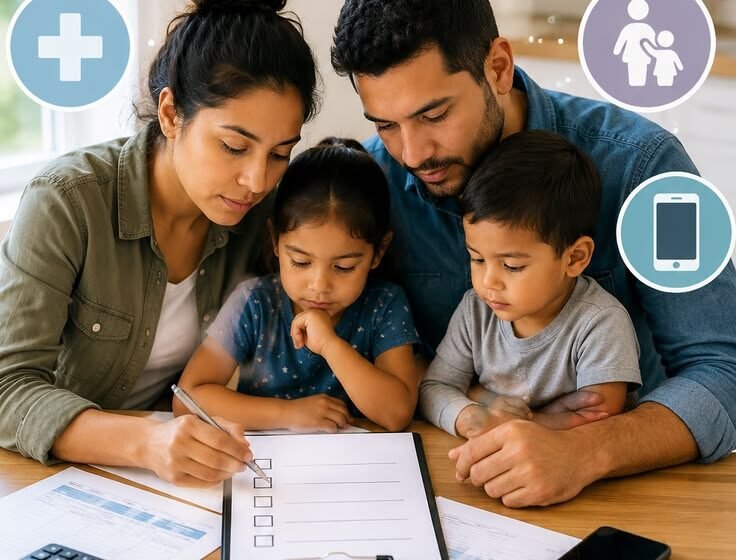
Managing a household on a limited income can be challenging. Between buying groceries, paying rent, covering medical expenses, and providing for children, many families find that their money runs out before the month ends. Unexpected expenses, job loss, rising prices, or a medical emergency can make an already difficult situation even harder.
Fortunately, financial assistance programs are available in many countries to help eligible low-income families meet essential needs. Depending on where you live, this support may include cash payments, food assistance, affordable healthcare, housing support, childcare assistance, utility bill relief, or educational benefits.
Understanding which programs exist and how to apply can help families find the support they need. So, what financial assistance programs are available for low-income families, and how can you find the right ones?
1. Government Cash Assistance Programs
Cash assistance programs provide eligible individuals and families with money to help cover essential living expenses. Depending on the program, payments may be temporary, recurring, or available only during specific emergencies.
Families may use this assistance to pay for food, transportation, clothing, rent, childcare, and other necessities. Some programs focus on households with children, while others prioritize people experiencing extreme poverty, disability, displacement, or unemployment.
In the United States, the Temporary Assistance for Needy Families (TANF) program supports eligible families with children. Benefits and application requirements vary by state.
In Nigeria, the National Social Investment Programme Agency (NSIPA) coordinates social protection initiatives, including targeted cash transfers for eligible vulnerable households.
Families should check official government websites or contact local social welfare offices to learn which programs are currently accepting or identifying beneficiaries. Eligibility does not guarantee immediate payment, and some programs select recipients through official household registers rather than open online applications.
2. Food Assistance Programs
Food is one of the largest expenses for many households. When income is limited, paying for nutritious meals while covering rent, school costs, and transportation can be difficult.
Food assistance programs help eligible families obtain groceries or meals. Depending on the country and program, support may come through food vouchers, electronic benefits, school meals, food parcels, or community food banks.
In the United States, the Supplemental Nutrition Assistance Program (SNAP) helps eligible households purchase approved food items. The Special Supplemental Nutrition Program for Women, Infants, and Children (WIC) provides nutrition assistance and related support to eligible pregnant women, new mothers, infants, and young children.
In Nigeria, the National Home-Grown School Feeding Programme is designed to provide meals to eligible pupils in participating public primary schools.
Families can also look for community kitchens, food banks, religious organizations, and reputable charities that offer emergency food support. These services may help bridge the gap while a government application is being processed.
3. Housing and Rental Assistance
Housing costs can consume a large portion of a family’s monthly income. When rent becomes unaffordable, households may struggle to pay for other necessities or face the risk of eviction.
Housing assistance programs can help eligible families access affordable accommodation or reduce certain housing expenses. Depending on the location, support may include rental subsidies, public housing, emergency shelter, eviction prevention services, or temporary accommodation.
In the United States, eligible households may be able to access rental assistance through local housing agencies and programs such as the Housing Choice Voucher Program. Availability and waiting lists vary by location.
Families experiencing homelessness or an immediate housing crisis should contact local housing or social services offices to ask about emergency accommodation and prevention programs.
Because housing assistance is often limited, it is helpful to apply early, keep documents updated, and respond promptly to requests from housing authorities.
4. Healthcare and Medical Assistance
Medical expenses can create serious financial pressure, especially for families with young children, older relatives, or members who need ongoing treatment.
Healthcare assistance programs may help eligible households pay for doctor visits, hospital care, prescriptions, vaccinations, maternity services, or health insurance.
In the United States, Medicaid provides health coverage to eligible people, while the Children’s Health Insurance Program (CHIP) helps cover eligible children in families that earn too much to qualify for Medicaid but cannot easily afford private insurance.
Other countries may offer public healthcare services, subsidized treatment, community health programs, or assistance for specific medical conditions.
Families should contact their national or regional health authority to learn which services are available. Hospitals and community health centers may also provide information about reduced-cost treatment or patient assistance programs.
5. Childcare and Early Childhood Support
Parents who work, study, or look for employment may need reliable childcare. However, childcare fees can take up a significant share of a low-income household’s earnings.
Some governments offer childcare subsidies, reduced fees, publicly supported early education, or assistance with after-school care. These programs can help parents continue working while ensuring that children receive appropriate supervision and early learning opportunities.
In the United States, eligible families may qualify for childcare assistance through state or local programs. Head Start and Early Head Start also provide early learning and family support services for eligible children and families.
Availability, age requirements, income limits, and application procedures differ by location. Parents should contact their local childcare or family services agency for current information.
6. Utility Bill and Energy Assistance
Electricity, gas, water, heating, and other household services are essential expenses. When bills rise or income falls, families may have difficulty keeping these services connected.
Utility assistance programs may help eligible households pay certain bills, manage an energy emergency, or access energy-saving improvements.
In the United States, the Low Income Home Energy Assistance Program (LIHEAP) helps eligible households with certain home energy costs. Local governments and utility providers may also offer payment plans, hardship programs, or reduced rates.
Families elsewhere should ask their utility providers and local authorities whether hardship support is available. Contacting a provider early may make it easier to discuss payment arrangements before a bill becomes overdue.
7. Education and School Assistance
Education expenses can place additional pressure on families with school-age children. Uniforms, books, transport, school supplies, examination fees, and other costs may be difficult to manage on a limited income.
Depending on the country and local area, assistance may include free or subsidized school meals, fee waivers, scholarships, school supply programs, transport support, or grants for eligible students.
Parents should ask schools about available assistance and contact local education authorities to learn about government-supported programs.
Students pursuing higher education may also qualify for scholarships, need-based grants, or tuition assistance. Checking eligibility requirements and application deadlines early can help families avoid missing opportunities.
8. Unemployment and Job Training Assistance
Losing a job or working fewer hours can quickly affect a household’s financial stability. Unemployment benefits, where available, may provide temporary income to eligible workers who meet the program’s requirements.
Some governments and nonprofit organizations also offer job placement services, vocational training, career counseling, and skills-development programs.
These services can help individuals improve their qualifications, prepare for interviews, and find employment. Some programs may cover training expenses or provide support for participants who meet specific conditions.
People who have recently lost employment should contact their local labor or employment agency to find out whether they qualify for benefits or retraining opportunities.
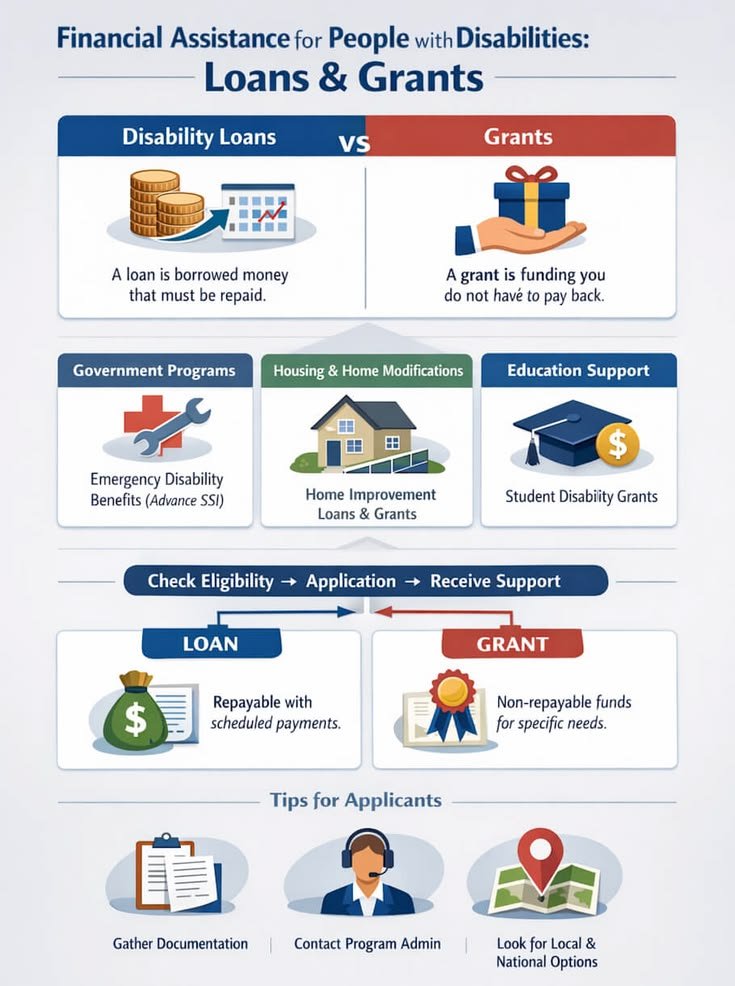
9. Disability, Family, and Emergency Assistance
Some households face additional challenges because a family member has a disability, a parent is raising children alone, an older relative needs care, or the family has been displaced by conflict or a natural disaster.
Specialized assistance may include disability benefits, caregiver support, survivor benefits, emergency cash relief, temporary accommodation, or help replacing essential belongings.
Eligibility depends on the program and the family’s circumstances. Applicants may need to provide medical documentation, proof of household income, identity documents, or evidence of an emergency.
Families experiencing an urgent crisis should contact official social services, emergency relief agencies, or reputable humanitarian organizations to ask about available support.
10. How Can Low-Income Families Apply for Financial Assistance?
Finding a suitable program is the first step. Applying carefully can help reduce delays and prevent mistakes.
Start by identifying your needs. Decide whether you need help with food, housing, healthcare, childcare, utilities, education, or general living expenses.
Check official sources. Visit government websites or contact local social welfare offices. Requirements differ between countries, states, and communities.
Review the eligibility rules. Programs may consider household income, family size, residency, employment status, disability, age, or the number of dependents.
Prepare your documents. Depending on the program, you may need identification, proof of address, income records, bank details, household information, or medical or school documents.
Complete the application honestly. Provide accurate information and keep copies of submitted forms and confirmation numbers.
Follow up when necessary. Respond to requests for additional information and ask how to check your application status.
Avoid scams. Be cautious of people promising guaranteed benefits in exchange for fees, passwords, bank verification codes, or sensitive personal information. Use official application channels and verify unfamiliar organizations before sharing documents.
Conclusion
Financial assistance programs can help low-income families manage essential expenses and cope with difficult circumstances. Support may be available for food, housing, healthcare, childcare, utility bills, education, unemployment, disability, and emergencies.
The programs available depend on where a family lives, its income, household size, and specific needs. Not every household will qualify for every benefit, and some programs have limited funding or waiting lists.
The best starting point is to identify the most urgent expenses, check official government resources, and contact local social services for guidance. Families may also combine several eligible forms of assistance to make everyday costs more manageable.
Seeking help is a practical step toward greater financial stability. With accurate information and a careful application, families can discover resources that may help them protect their well-being and plan for the future.



Leave a Reply