
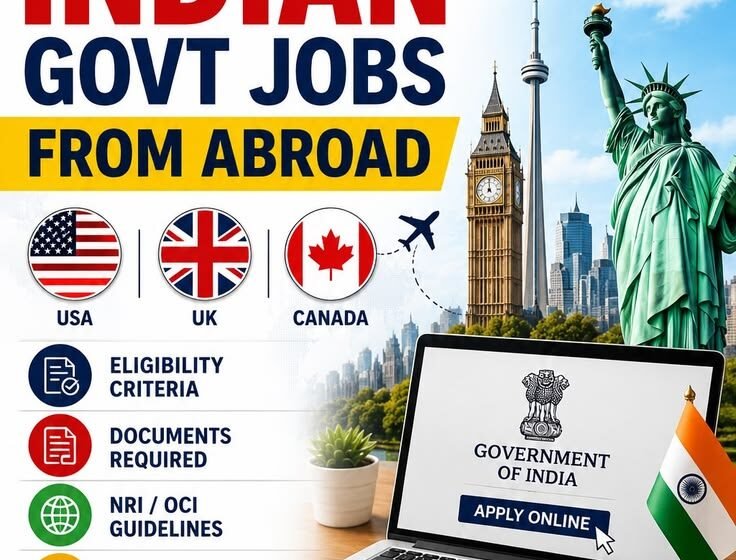
How Can Skilled Workers Find Government Jobs Abroad?

Finding a government job abroad is an attractive career goal for many skilled workers who want better employment opportunities, professional development, and international work experience. Governments around the world recruit qualified professionals to support public services, develop infrastructure, improve healthcare systems, strengthen education, and manage important national projects. For people with the right qualifications and experience, working in another country can open doors to new career opportunities and professional growth.
Many skilled workers dream of securing employment in countries such as Canada, the United Kingdom, Australia, Germany, the United States, and the United Arab Emirates. These countries have different public-sector employment systems and recruit professionals across several industries. However, getting a government job abroad requires more than having a university degree or professional certificate. Applicants must understand recruitment procedures, meet employment requirements, and have the necessary permission to work in their chosen destination.
Understanding Government Job Opportunities Abroad
Government jobs are available across different professional fields, including healthcare, engineering, education, information technology, finance, construction, administration, and scientific research. These positions support the daily operations of public institutions and help governments deliver essential services.
Skilled workers may find opportunities as nurses, engineers, doctors, IT specialists, teachers, researchers, financial analysts, project managers, and technical officers. Some positions require several years of professional experience, while others accept qualified candidates with less experience.
It is important to understand that not every government position is open to foreign applicants. Some countries reserve certain public-sector jobs for citizens or permanent residents, particularly positions involving national security, defence, law enforcement, and sensitive government responsibilities. However, specialised vacancies and certain technical positions may accept international candidates.
Search Through Official Government Recruitment Websites
One of the most reliable ways to find government jobs abroad is by visiting official government recruitment websites. Many countries publish employment announcements through their civil service departments, public employment portals, and individual government agencies.
For example, people interested in working in the United Kingdom can explore Civil Service Jobs, while those looking for Canadian government opportunities can visit the Government of Canada employment portal. Australia also operates a public service recruitment platform where applicants can search for available positions.
Other useful platforms include USAJOBS in the United States and official public-sector recruitment websites in New Zealand and European countries.
These platforms provide information about job responsibilities, educational qualifications, application deadlines, and eligibility requirements. Applicants should carefully read each vacancy announcement to determine whether international candidates are permitted to apply.
Explore International Organisations and Government Agencies
Another way skilled workers can find international employment is by applying to organisations that work with governments across different countries. International organisations recruit professionals to support development programmes, humanitarian projects, healthcare initiatives, education, research, and economic growth.
Organisations such as the United Nations, World Health Organization, World Bank Group, International Labour Organization, and International Organization for Migration regularly recruit professionals with different qualifications and experience.
For example, healthcare specialists may find opportunities in international public health programmes, while engineers and environmental professionals may work on infrastructure and development projects. Finance professionals, researchers, communication specialists, and project managers can also explore relevant vacancies.
Although these organisations are not national government departments, they offer international public-service and development careers that may interest skilled workers.
Identify Countries That Recruit Skilled Professionals
Different countries recruit foreign professionals according to their labour market needs and economic priorities. Understanding which destinations offer opportunities in your profession can help you focus your job search.
Canada is one destination worth exploring for professionals in healthcare, engineering, technology, construction, and research. However, many federal public-service positions have citizenship or permanent-residency restrictions, so applicants must check individual vacancy requirements.
The United Kingdom offers opportunities across healthcare, research, engineering, education, and specialist technical services. Some government departments and public institutions recruit international professionals when they meet the relevant employment conditions.
Australia also has opportunities in healthcare, engineering, infrastructure, education, and environmental services. Skilled workers can research government departments and public institutions to identify vacancies that accept foreign applicants.
Germany is another destination for qualified professionals, particularly in engineering, manufacturing, technology, healthcare, and scientific research. Learning German can improve employment prospects, especially for positions involving public services and communication with local communities.
The United Arab Emirates also offers government-related employment opportunities in healthcare, education, administration, technology, and infrastructure. Recruitment requirements vary between government departments and individual organisations.
Prepare Your Educational and Professional Documents
Before applying for government jobs abroad, skilled workers should organise their educational and professional documents. International employers usually need evidence that applicants have the qualifications and experience required for a particular position.
Important documents may include a professional CV, university degree, academic transcripts, professional certificates, employment reference letters, and a valid international passport. Some employers may also request language proficiency certificates, professional licences, or evidence of previous projects.
Applicants working in regulated professions should pay particular attention to qualification recognition. For example, doctors, nurses, teachers, and certain engineering professionals may need additional assessments, examinations, or professional registration before they can work in another country.
Preparing these documents early can make it easier to respond when suitable vacancies become available.
Build a Professional CV That Attracts Employers
A strong CV is an important part of securing international government employment. Employers want to understand an applicant’s educational background, professional experience, technical abilities, and achievements.
Instead of simply listing previous job responsibilities, skilled workers should explain the value they contributed to their organisations.
For example, an engineer can highlight completed construction projects, technical knowledge, safety experience, and problem-solving abilities. An IT specialist can demonstrate experience in software development, cybersecurity, network management, or database administration.
Healthcare professionals should include their clinical experience, professional registration, specialist training, and relevant certifications.
It is also important to adjust your CV to match the requirements of each vacancy. A carefully prepared application can help employers understand why your qualifications are suitable for the position.
Explore Skilled Worker Recruitment Programmes
Some countries operate skilled immigration programmes to attract qualified professionals from overseas. These programmes may provide opportunities for workers in industries experiencing labour shortages.
Depending on the country, applicants may qualify through employment sponsorship, skilled migration systems, specialist recruitment initiatives, or other legal immigration pathways.
However, skilled migration programmes should not be confused with government job recruitment. Obtaining a work visa or immigration approval does not automatically guarantee employment in a government department.
Applicants should research both the employment requirements and immigration procedures before making decisions about relocating.
Understand Visa and Work Permit Requirements
One of the most important steps when applying for government jobs abroad is understanding the immigration rules of the destination country. Even when an employer is interested in hiring an international professional, the applicant must have the appropriate legal permission to work.
Some employers may provide visa sponsorship, while others only accept candidates who already have valid work authorisation.
Depending on the country and position, applicants may need an employment offer, professional qualification assessment, medical examination, police clearance certificate, security screening, or proof of language proficiency.
Always obtain immigration information from official government sources. Do not make travel arrangements based on promises from unofficial recruiters or individuals claiming to guarantee employment visas.
Prepare for Government Recruitment Interviews
Government recruitment procedures can involve several stages, including application screening, written examinations, technical assessments, and interviews.
Skilled workers should prepare by researching the department, understanding the job responsibilities, and reviewing the qualifications listed in the vacancy announcement.
During interviews, employers may ask about previous work experience, professional achievements, technical knowledge, communication skills, and reasons for applying.
Candidates should provide clear examples of how they have handled workplace challenges, completed projects, worked with teams, and contributed to organisational goals.
Preparing in advance can improve confidence and help applicants demonstrate their suitability for international employment.
Avoid Fake International Government Job Offers
Unfortunately, some fraudulent recruiters take advantage of people searching for government employment abroad. Fake advertisements may promise high salaries, guaranteed government appointments, free visas, or immediate relocation in exchange for money.
Skilled workers should always verify recruitment announcements through official government websites or the relevant employing organisation. Avoid paying individuals who promise guaranteed employment or demand unofficial recruitment fees.
Applicants should also be careful when sharing passports, academic certificates, financial information, and other personal documents. Only submit sensitive information through verified recruitment channels.
Checking the authenticity of a vacancy before applying can help protect job seekers from financial losses and identity theft.
Conclusion
Finding government jobs abroad as a skilled worker requires patience, proper preparation, and a clear understanding of international recruitment procedures. Countries around the world offer employment opportunities in healthcare, engineering, information technology, education, finance, construction, research, and other professional industries.
The best approach is to identify countries that recruit international professionals, visit their official government employment websites, and apply for vacancies that match your qualifications and experience. Preparing a professional CV, organising educational documents, developing relevant skills, and understanding visa requirements can also improve your chances.
Although some government positions are restricted to citizens, other public institutions and international organisations recruit qualified professionals from different countries. By researching legitimate opportunities and following the correct application procedures, skilled workers can take meaningful steps towards building successful international careers.

Leave a Reply