
How Can You Apply for Embassy and Consulate Jobs?
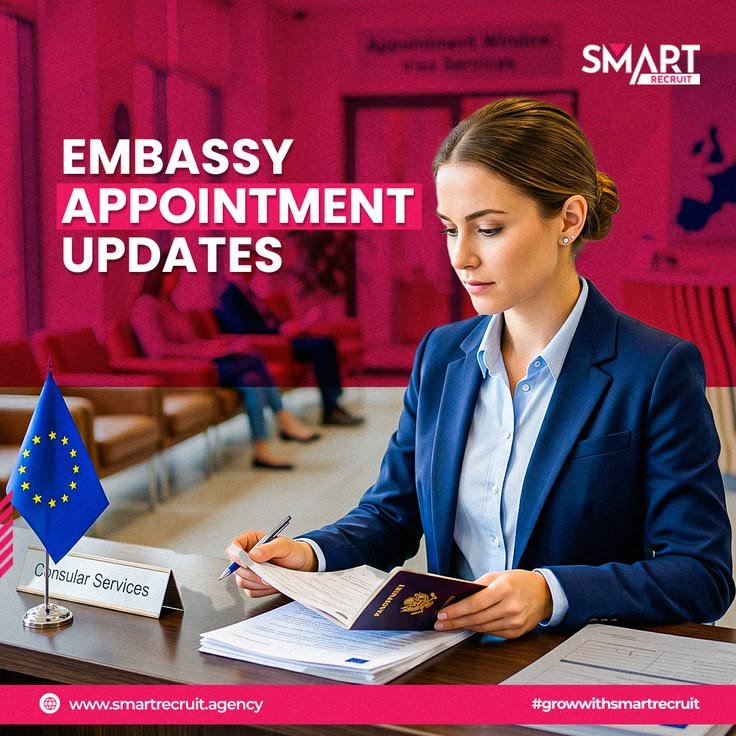
Working at an embassy or consulate is an interesting career opportunity for graduates, experienced professionals, and individuals who want to work in an international environment. Embassies and consulates represent their countries abroad and provide important services involving diplomacy, immigration, international relations, trade, administration, and assistance to citizens.
Many people are interested in embassy jobs because they offer opportunities to interact with people from different cultures, develop professional skills, and gain experience in international affairs. However, finding and applying for these positions requires proper research and an understanding of how diplomatic missions recruit employees.
The good news is that embassy and consulate jobs are not limited to diplomats. Many diplomatic missions employ locally recruited staff for administrative, technical, communication, security, customer service, and other professional responsibilities.
Whether you are a fresh graduate or an experienced job seeker, understanding the recruitment process can help you identify suitable opportunities.
1. Understand the Different Types of Embassy and Consulate Jobs
Before applying, it is important to understand the different positions available at embassies and consulates. These organisations require employees with different educational backgrounds, professional qualifications, and practical skills.
Some common embassy and consulate positions include:
- Administrative Assistant
- Visa Application Assistant
- Consular Assistant
- Receptionist
- Human Resources Assistant
- Finance and Accounting Officer
- Public Relations Officer
- Translator and Interpreter
- IT Support Officer
- Security Assistant
- Political Affairs Assistant
- Trade and Economic Affairs Assistant
- Communications Officer
Some positions are suitable for graduates with limited professional experience, while others require specialised qualifications and several years of work experience.
Understanding these job categories can help you focus on vacancies that match your education and professional background.
2. Visit Official Embassy and Consulate Websites
One of the most important steps when searching for embassy employment is visiting official embassy and consulate websites.
Many diplomatic missions publish recruitment announcements through their official websites. These announcements provide information about available positions, job responsibilities, application deadlines, qualifications, and submission procedures.
Start by identifying the embassies operating in your country or the countries where you want to work.
Look for website sections with names such as:
- Careers
- Employment Opportunities
- Job Vacancies
- Recruitment
- Work With Us
- Local Staff Positions
For example, someone interested in working at a foreign embassy in Nigeria can research the official websites of diplomatic missions operating in Abuja.
Always confirm that the website belongs to the official government or diplomatic mission before submitting personal documents.
3. Search for Embassy Jobs on International Recruitment Platforms
Apart from embassy websites, some international recruitment platforms advertise diplomatic and government-related employment opportunities.
These platforms can help job seekers discover vacancies across different countries and organisations.
Useful websites include:
- LinkedIn Jobs
- Indeed
- Glassdoor
- UN Careers
- International Organization for Migration (IOM) Careers
- Official government recruitment portals
You can search using phrases such as “Embassy Administrative Assistant,” “Consular Officer Vacancy,” “Embassy Local Staff Recruitment,” or “Diplomatic Mission Jobs.”
However, not every international organisation works directly for an embassy. Always check the actual employer and recruitment arrangements before applying.
4. Prepare a Professional CV and Cover Letter
A professional CV is an important part of an embassy job application. Since diplomatic missions receive applications from people with different educational and professional backgrounds, your CV should clearly demonstrate why you are suitable for the advertised position.
Include the following information:
- Full name and contact details
- Educational qualifications
- Previous employment experience
- Professional certifications
- Language abilities
- Computer and technical skills
- Relevant volunteer experience
- Professional achievements
Your cover letter should explain your interest in the position and highlight the skills that make you a suitable candidate.
For example, applicants for administrative positions should highlight organisation, communication, record management, and computer skills.
Applicants interested in translation or interpretation should demonstrate language proficiency and relevant experience.
Avoid submitting the same generic CV for every vacancy. Adjust your application to match the specific job requirements.
5. Check the Educational Qualifications and Experience Required
Embassy and consulate vacancies have different educational requirements depending on the nature of the position.
Some entry-level administrative jobs may require a secondary school certificate, diploma, or bachelor’s degree. Professional positions may require specialised qualifications in areas such as law, international relations, finance, information technology, economics, or communications.
Common qualifications include:
- Bachelor’s degree
- Diploma or professional certificate
- Relevant work experience
- Computer literacy
- Strong written and spoken communication
- Foreign language proficiency, where required
Fresh graduates should not automatically assume that they are unqualified for embassy employment. Some diplomatic missions recruit junior administrative employees, interns, assistants, and trainees.
Always read the vacancy announcement carefully before applying.
6. Understand the Application Process
The application process for embassy and consulate jobs depends on the recruiting country and the specific diplomatic mission.
However, many recruitment procedures follow similar steps.
Step 1: Find an advertised vacancy.
Visit the official embassy website or recognised recruitment platform and identify a suitable position.
Step 2: Read the job description.
Check the responsibilities, qualifications, required experience, application deadline, and submission instructions.
Step 3: Prepare your documents.
Update your CV, write a relevant cover letter, and gather academic certificates and other requested documents.
Step 4: Complete the application form.
Some embassies require applicants to complete an online recruitment form, while others accept applications through designated email addresses or recruitment systems.
Step 5: Submit your application.
Follow the exact submission instructions. Ensure that your documents are complete and submitted before the deadline.
Step 6: Prepare for the interview.
If shortlisted, you may be invited for an interview, written assessment, language test, or practical examination.
Step 7: Complete background checks.
Depending on the position, successful candidates may undergo reference checks, security screening, or other employment verification procedures.
7. Develop Skills That Embassies Look For
Having the right educational qualification is important, but employers also consider practical skills when recruiting staff.
Some valuable skills include:
Communication skills: Embassy employees regularly communicate with members of the public, government officials, organisations, and international visitors.
Computer skills: Knowledge of Microsoft Word, Excel, email management, databases, and digital communication systems can be useful.
Language skills: Speaking more than one language can be an advantage, particularly for translation, interpretation, and international communication positions.
Organisation: Administrative employees may handle appointments, official documents, records, and daily office responsibilities.
Customer service: Consular and visa-related positions often involve assisting people with different questions and service needs.
Confidentiality: Employees may handle sensitive personal information and official documents, making professionalism and discretion important.
Developing these abilities can improve your competitiveness when applying for diplomatic employment.
8. Can Fresh Graduates Apply for Embassy Jobs?
Yes. Fresh graduates can apply for embassy and consulate positions when they meet the requirements of the advertised vacancy.
Although some diplomatic positions require extensive experience, many missions recruit locally employed staff for junior and support roles.
Graduates with backgrounds in international relations, political science, business administration, law, economics, accounting, languages, and information technology may find relevant opportunities.
Fresh graduates can consider positions such as:
- Administrative Assistant
- Junior Communications Assistant
- Receptionist
- Research Assistant
- Customer Service Assistant
- Records Management Assistant
- Internship Opportunities
Internships and volunteer experience can also help graduates develop professional skills and understand how international organisations operate.
9. Important Documents You May Need
Before applying, prepare the documents commonly requested during recruitment.
These may include:
- Updated CV or résumé.
- Cover letter.
- Academic certificates.
- University transcripts.
- Valid passport or national identification, where requested.
- Professional certificates.
- Employment references.
- Language proficiency certificates, if required.
- Completed application form.
Some positions may require additional documents, including background information forms, writing samples, or security-related declarations.
Only provide sensitive personal information through verified official recruitment channels.
10. Avoid Embassy Recruitment Scams
Job seekers should be careful when searching for embassy employment because fraudulent recruitment advertisements sometimes target people looking for international opportunities.
Be cautious of individuals claiming they can guarantee embassy employment in exchange for money.
Remember these important safety tips:
- Apply through official embassy websites or verified recruitment platforms.
- Never pay someone who promises guaranteed employment.
- Confirm that the vacancy genuinely exists.
- Avoid sending personal documents to suspicious email addresses.
- Do not trust unofficial visa or employment guarantees.
- Verify recruitment announcements through the relevant diplomatic mission.
Legitimate recruitment procedures vary, but applicants should always be able to verify the employer and the advertised position.
Conclusion
Applying for embassy and consulate jobs can be a valuable opportunity for graduates and experienced professionals interested in international careers. These organisations recruit employees across different departments, including administration, finance, communications, technology, customer service, immigration support, and international relations.
To improve your chances of getting hired, begin by researching official embassy websites, identifying suitable vacancies, preparing a professional CV, and meeting the advertised qualifications.
Fresh graduates should also explore internships and entry-level administrative opportunities that can provide useful professional experience.
Most importantly, apply through verified recruitment channels, follow the official application instructions, and remain alert to employment scams. With the right preparation and consistent effort, you can take meaningful steps towards building a career in an embassy or consulate.




Leave a Reply