
How Can You Apply for Government Recruitment Through an Online Portal?
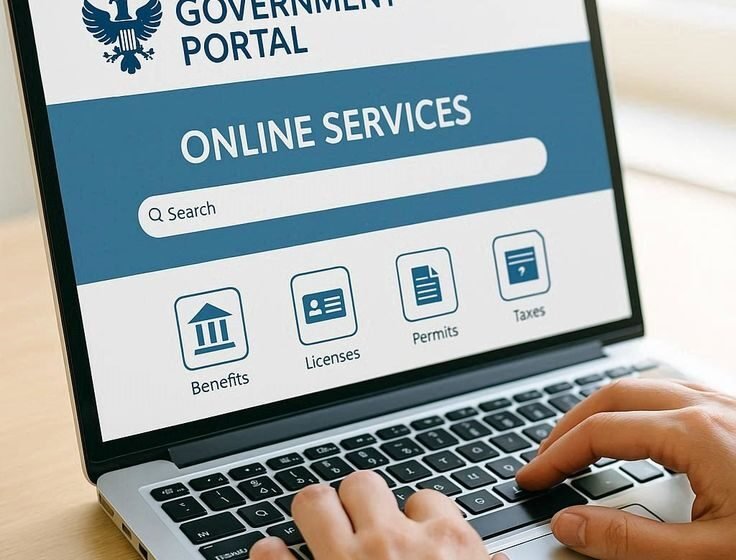
Government recruitment portals are online platforms created to help government institutions advertise vacancies and receive applications from qualified candidates. These platforms make it possible for job seekers to access employment opportunities without physically visiting recruitment offices.
Many countries use digital recruitment systems to manage applications for ministries, government agencies, public hospitals, educational institutions, and other public-sector organisations.
Although the application process differs between countries, most government recruitment portals follow similar steps. Applicants usually need to register, create a profile, search for vacancies, upload supporting documents, and submit an application before the deadline.
Understanding each stage can help reduce mistakes and improve your chances of being considered for a suitable government position.
1. Find the Official Government Recruitment Portal
The first step is identifying the official website responsible for advertising government vacancies in your chosen country.
Different countries use different recruitment systems. Some operate a central government employment portal, while others allow individual ministries and departments to manage their own recruitment websites.
For example, the United States uses USAJOBS for many federal government vacancies. The United Kingdom operates Civil Service Jobs for civil service recruitment, while Canada’s federal government advertises opportunities through its public service jobs platform.
Applicants should also check the websites of ministries, public service commissions, local government authorities, and government agencies.
Before registering, confirm that the website belongs to the relevant government institution. Avoid relying on unfamiliar websites that claim to offer exclusive access to government vacancies.
2. Create an Account on the Recruitment Website
After finding the correct portal, the next step is creating a personal account.
Most online recruitment systems require applicants to register before submitting applications. The registration process generally involves providing basic information such as:
- Full name.
- Email address.
- Phone number.
- Country of residence.
- Password.
- Other required personal details.
Some portals may require email or phone verification to confirm that the account belongs to the applicant.
Choose a strong password and keep your login information secure. Use an email address that you can access regularly because recruitment updates, interview invitations, and application notifications may be sent there.
For example, USAJOBS requires applicants to use a Login.gov account before creating a profile and applying for federal vacancies.
3. Complete Your Online Profile
Once your account has been created, complete your personal and professional profile.
The information requested may include your educational background, employment history, professional qualifications, technical skills, and relevant work experience.
Make sure that all details are accurate and consistent with your supporting documents.
Your profile may also include information about your preferred job categories, locations, and professional interests.
Some recruitment portals allow applicants to save their information and reuse it when applying for other vacancies. Completing your profile carefully can therefore make future applications easier.
4. Search for Available Government Vacancies
After completing your profile, explore the available job opportunities.
Most recruitment portals provide search tools that allow applicants to find vacancies using keywords, job titles, departments, locations, and professional categories.
You can search for positions such as:
- Administrative Officer.
- Accountant.
- Finance Officer.
- Healthcare Assistant.
- Registered Nurse.
- Teacher.
- Engineer.
- Human Resources Officer.
- Research Assistant.
- Information Technology Specialist.
Use filters to narrow your search and identify positions that match your qualifications.
You should also check whether a vacancy is open to external applicants, existing government employees, graduates, or applicants from particular professional backgrounds.
5. Read the Job Description and Eligibility Requirements
Before applying for any government position, read the vacancy announcement carefully.
A job advertisement normally explains the responsibilities, qualifications, experience, skills, and other conditions required for the position.
Pay attention to the following details:
Educational qualifications: Check the required degree, diploma, or professional certificate.
Work experience: Some positions accept fresh graduates, while others require previous employment experience.
Age requirements: Certain recruitment programmes may have age limits, particularly graduate and youth employment schemes.
Nationality and residency: Some government positions are restricted to citizens or permanent residents.
Professional registration: Regulated occupations such as medicine, nursing, teaching, and accounting may require recognised professional licences.
Application deadline: Confirm the closing date and time before beginning the application.
Applying without checking these requirements can lead to rejection, even when your application is otherwise complete.
6. Prepare Your Application Documents
Most government recruitment portals require applicants to upload documents that support the information provided in their applications.
Commonly requested documents include:
- An updated CV or résumé.
- Educational certificates.
- Academic transcripts.
- Professional qualifications.
- Valid identification.
- Passport photograph, where required.
- Employment or experience letters.
- Professional registration documents.
- References, where requested.
Some portals also request a cover letter, personal statement, or additional eligibility documents.
Prepare digital copies of your documents before starting the application. PDF is commonly accepted, but you should always follow the file format and size instructions provided by the recruitment website.
Use clear file names so that documents are easy to identify. For example, you could name a document “Academic_Certificate.pdf” or “Updated_CV.pdf”.
7. Complete the Online Application Form
After preparing your documents, select the vacancy you want to apply for and begin the application process.
The online form may ask for personal details, educational history, employment experience, professional qualifications, and answers to specific recruitment questions.
Enter information carefully and avoid leaving required fields incomplete.
Some government recruitment systems include assessment questions designed to determine whether applicants meet the advertised requirements.
If you are asked to explain your experience, provide relevant examples instead of giving very general answers.
Your responses should match the qualifications and responsibilities described in the job announcement.
8. Upload Your Documents and Review Your Application
Once the application form is complete, upload the required supporting documents.
Check that every file has been attached successfully and can be opened.
Before submitting, review the entire application to identify possible mistakes.
Pay particular attention to:
- Spelling of your name.
- Contact information.
- Educational qualifications.
- Employment dates.
- Professional certificates.
- Uploaded documents.
- Answers to eligibility questions.
Even small errors can create problems during recruitment verification.
Some portals allow applicants to save an unfinished application and return to it later. However, saving an application does not necessarily mean it has been submitted.
9. Submit Your Application Before the Deadline
When you are satisfied that your application is complete, follow the portal’s instructions to submit it.
Some systems require applicants to click a final confirmation button. Others may transfer applicants to a separate recruitment website operated by the hiring department.
For example, the USAJOBS application process can direct applicants to an agency’s own recruitment system to complete additional steps.
After submission, look for a confirmation message, application reference number, or notification indicating that the application was received.
Save this information because it may be useful when checking your recruitment status.
Do not assume that an application has been submitted simply because you completed the online form.
10. Monitor Your Application Status
After submitting an application, regularly check your recruitment account and email for updates.
Government recruitment portals may display different application statuses, including:
- Application received.
- Application submitted.
- Under review.
- Shortlisted.
- Assessment required.
- Interview scheduled.
- Not selected.
- Recruitment process completed.
The exact wording depends on the recruitment system.
Some departments may send interview invitations by email, while others publish shortlisted candidates on their official websites.
Applicants should also check their spam or junk email folders to avoid missing important notifications.
If the recruitment portal provides a tracking feature, use it to monitor changes in your application status.
11. Prepare for Government Recruitment Tests and Interviews
Submitting an online application is only one part of the recruitment process.
Depending on the position, shortlisted candidates may be required to complete written examinations, aptitude tests, professional assessments, practical demonstrations, or interviews.
For example, administrative applicants may be tested on communication, problem-solving, and general knowledge. Finance applicants may complete accounting or numerical assessments, while teaching candidates may be asked to demonstrate their classroom skills.
Prepare by reviewing the job description and understanding the responsibilities of the department.
Practising relevant questions and organising your professional documents can help you approach the next stage confidently.
12. Avoid Fake Government Recruitment Portals
Online government recruitment has created opportunities for job seekers, but fraudulent websites and fake recruitment advertisements remain a concern.
Some individuals create unofficial websites that imitate government portals to collect personal information or demand payments from applicants.
To protect yourself, always confirm that the recruitment website belongs to the relevant government institution.
Be cautious of advertisements promising guaranteed employment in exchange for money. Do not share passwords, banking details, or sensitive personal information with unverified individuals.
If an application fee is mentioned, confirm the requirement directly through the official recruiting authority before making any payment.
- Never rely entirely on social media announcements or forwarded messages. Verify the vacancy through the government department responsible for recruitment.
What Are the Benefits of Applying Through Government Recruitment Portals?
Online recruitment systems offer several advantages for job seekers.
First, they make government vacancies easier to access. Applicants can search for opportunities from different departments without visiting multiple recruitment offices.
Second, digital applications allow candidates to submit documents and personal information from their computers or mobile devices.
Third, many portals provide application tracking features, allowing applicants to monitor recruitment progress.
Some systems also offer job alerts, saved searches, and personal profiles that can make it easier to identify future opportunities.
These services can save time and make the application process more organised.
Conclusion
Applying for government recruitment through an online portal involves finding the official website, creating an account, completing your profile, searching for suitable vacancies, preparing documents, and submitting an accurate application.
Applicants should carefully review eligibility requirements and follow the instructions provided by the recruiting institution. After submission, checking application status and preparing for possible assessments or interviews are equally important.
Government recruitment portals have made public-sector employment opportunities more accessible to qualified candidates in different countries. By using verified websites, preparing the correct documents, and avoiding common application mistakes, job seekers can take a more organised approach to finding government employment.




Leave a Reply