


What Financial Support Is Available for Unemployed Citizens?
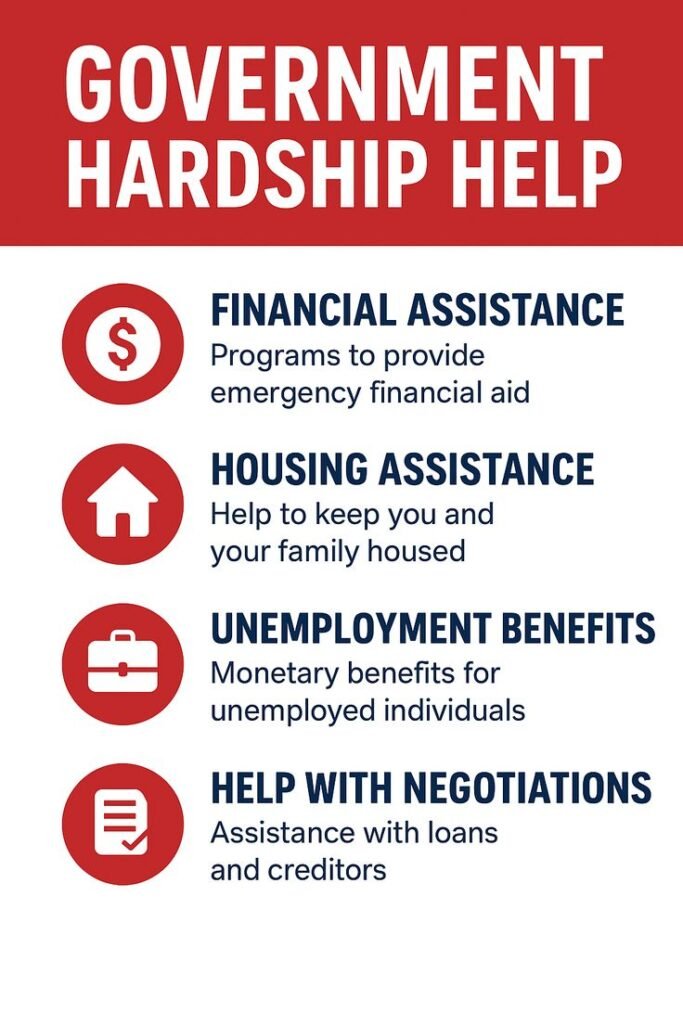
Losing a job or struggling to find employment can create serious financial difficulties. Without a regular income, paying for food, rent, transportation, electricity, healthcare, and other everyday expenses can become challenging. For people who are unemployed for an extended period, the pressure can affect their families, savings, and future plans.
Fortunately, many governments provide financial assistance and social support programmes to help citizens experiencing unemployment. These programmes are designed to reduce financial hardship, support vulnerable households, and help people return to work.
The type of assistance available depends on the country, employment history, financial circumstances, and eligibility requirements. Some governments provide temporary unemployment payments, while others offer cash assistance, food support, housing assistance, vocational training, and business development opportunities.
Understanding these options can help unemployed individuals identify the support they may qualify for and take practical steps towards improving their financial situation.
1. Unemployment Insurance Benefits
Unemployment insurance is one of the most recognised forms of financial assistance available to people who lose their jobs. It provides temporary income support to eligible workers while they search for new employment.
In countries with established unemployment insurance systems, workers and employers generally contribute through payroll taxes or insurance arrangements. When an eligible worker loses employment, they may receive regular payments for a limited period.
The amount received and the length of support depend on the country’s rules, previous earnings, employment history, and reason for losing the job.
For example, the United Kingdom provides Jobseeker’s Allowance for eligible people who are unemployed or working limited hours. Other support may be available through Universal Credit, depending on a person’s circumstances.
People who have recently lost their jobs should check their country’s official employment or social security department to find out whether unemployment insurance is available.
2. Government Cash Assistance Programmes
Some governments provide direct financial assistance to low-income and vulnerable households. These programmes are particularly important for people who have little or no regular income and struggle to afford essential expenses.
Cash assistance may help beneficiaries purchase food, pay for transportation, cover utility bills, and meet other basic household needs.
Unlike unemployment insurance, which is often linked to previous employment contributions, certain cash assistance programmes are based on household income, poverty levels, disability, family circumstances, or other vulnerability criteria.
In Nigeria, the Federal Government’s National Emergency Relief and Stabilisation Intervention (NERSI) is a cash assistance programme for selected poor and vulnerable households. Its official programme information describes a one-off payment of ₦20,000 to beneficiaries selected through verified national records. It is not a general unemployment payment, and individuals cannot pay or register through an intermediary to secure selection.
People interested in this type of assistance should follow announcements from their government’s official social protection agencies.
3. Food Assistance and Basic Needs Support
Unemployment can make it difficult for individuals and families to afford enough food. To reduce hunger and support vulnerable communities, governments may operate food assistance programmes.
Depending on the country, support may include food vouchers, subsidised groceries, food distribution, school meals, or payments that help households purchase essential food items.
Some programmes are designed for families with children, older citizens, people with disabilities, and households experiencing extreme financial hardship.
Food assistance can reduce the pressure on unemployed people by allowing them to use their limited money for other important expenses, such as rent, transportation, and job applications.
Eligibility usually depends on income, household size, location, and the specific rules of the programme.
4. Housing and Rental Assistance
Housing costs can become difficult to manage when someone loses their source of income. Rent, mortgage payments, electricity, water, and other household expenses do not stop simply because a person becomes unemployed.
For this reason, some governments provide housing-related financial support to eligible individuals and families.
Depending on the country, assistance may include rental subsidies, housing benefits, emergency accommodation, temporary shelter, or financial support for households at risk of homelessness.
In the United Kingdom, for example, eligible individuals may receive housing support through Universal Credit or other applicable benefits. The amount depends on individual circumstances and the relevant rules.
Unemployed citizens who are struggling with rent should contact their local housing authority or social welfare office to learn about available assistance.
5. Healthcare and Medical Assistance
Losing employment can also affect access to healthcare, especially in countries where medical coverage is connected to an employer.
To help vulnerable people maintain access to essential medical services, governments may offer public healthcare coverage, subsidised medical treatment, prescription assistance, or insurance support.
Some programmes are based on income, while others consider age, disability, family size, and other circumstances.
For unemployed people, healthcare assistance can be particularly important because it reduces the risk of choosing between paying for medical treatment and meeting basic household expenses.
The availability of this support varies widely between countries. Applicants should contact official health insurance agencies or public healthcare departments to understand their options.
6. Financial Support for Skills Training and Education
Not all government assistance comes in the form of direct cash payments. Some programmes provide financial support to help unemployed people gain new qualifications and improve their chances of finding work.
Training assistance may cover tuition fees, learning materials, transportation, certification costs, and sometimes basic living expenses during an approved course.
For example, Canada’s Better Jobs Ontario programme provides eligible participants with financial support for approved skills training. Depending on the assessment and programme conditions, assistance may cover tuition, books, transportation, and certain living expenses.
Training support can benefit people who have lost jobs because of changes in their industries or who want to move into occupations with better employment opportunities.
Before applying, individuals should check the approved training courses, eligibility conditions, funding limits, and application procedures.
7. Small Business Grants and Self-Employment Assistance
Some unemployed people prefer to establish their own businesses instead of continuing to search for traditional employment. Governments may support this decision through entrepreneurship programmes, business training, grants, and small-business financing.
Such initiatives can help people develop business ideas, purchase essential equipment, improve professional skills, and establish income-generating activities.
In Nigeria, the National Social Investment Programme Agency (NSIPA) coordinates initiatives that include youth employment, enterprise support, and social protection. Its Government Enterprise and Empowerment Programme (GEEP) includes targeted microcredit schemes for eligible groups, including traders, farmers, and small-scale entrepreneurs.
It is important to understand the difference between a grant and a loan. A grant generally does not need to be repaid when its conditions are met, while a loan must normally be repaid according to agreed terms.
Applicants should carefully review the programme requirements before accepting financial assistance.
8. Public Employment and Temporary Work Programmes
Some governments provide temporary employment opportunities to people who are unemployed or experiencing financial hardship.
These programmes may involve community development, road maintenance, environmental projects, public infrastructure, sanitation, agricultural activities, and other services.
Participants may receive wages or stipends while contributing to projects that benefit their communities.
Temporary employment programmes can provide immediate income and help participants develop practical workplace experience. They may also help people build professional relationships and improve their chances of securing permanent employment.
In Nigeria, the National Directorate of Employment (NDE) operates employment-related training and intervention programmes, including vocational skills development, small-scale enterprise support, rural employment promotion, and special public works. Interested individuals can explore its official website for programme information.
9. How Can Unemployed Citizens Apply for Financial Support?
The application process depends on the type of assistance and the country providing it. However, there are several practical steps unemployed people can follow.
Start by identifying the financial challenge you need help with. For example, you may need temporary income support, assistance with rent, food support, healthcare coverage, or funding for professional training.
Next, visit the official website of your country’s social welfare department, employment agency, labour ministry, or relevant government institution.
Read the eligibility requirements carefully. Some programmes are available only to people who previously worked and contributed to an unemployment insurance system. Others are designed for low-income households, young people, people with disabilities, or citizens facing particular financial difficulties.
You may be asked to provide identification, proof of residence, employment records, bank details, income information, or other supporting documents.
Complete the application using the official process and keep any confirmation or reference number you receive. If the programme requires an interview or additional assessment, follow the instructions provided by the responsible agency.
Avoid unofficial websites and individuals who demand payment to guarantee government benefits. Genuine programmes should clearly explain their application procedures and any legitimate charges.
10. What Should You Do If You Do Not Qualify?
Not every unemployed person qualifies for direct government financial assistance. Some programmes have strict income limits, contribution requirements, residency conditions, or other eligibility rules.
If your application is unsuccessful, consider exploring alternative forms of support.
You can contact public employment services, register with recognised job placement agencies, apply for government-funded training, or investigate approved apprenticeship programmes.
You may also explore community organisations, nonprofit support services, and legitimate business development initiatives.
Improving your professional skills, updating your CV, and applying for suitable vacancies can help you prepare for future employment opportunities.
It is also useful to create a temporary household budget that prioritises essential expenses while you search for work.
Conclusion
Financial support for unemployed citizens can take many forms, including unemployment insurance, cash assistance, food support, housing benefits, healthcare coverage, training assistance, business funding, and temporary employment programmes.
These initiatives are intended to help people manage financial difficulties while working towards greater economic stability. However, eligibility and payment arrangements vary between countries, and not every unemployed person automatically qualifies for government assistance.
The best starting point is to contact official government employment and social protection agencies to identify programmes available in your area. By understanding the requirements and applying through verified channels, unemployed individuals can explore the support available to help them manage difficult periods and prepare for new opportunities.





Leave a Reply